

For B2B distributors, the pressure to compete on price often comes at the expense of your profit margins. But what if the data showed that your customers are actually willing to pay more for quality and reliability? Research reveals that 88% of B2B customers will pay at least a 2.5% premium to avoid switching suppliers, and a 1% improvement in price can boost operating profit by 8%.

This article is your practical guide to capturing that value. We’ll explore how to target high-turnover markets like event rentals, where durable products are essential, and how bundling products into complete kits can increase your average order value. You’ll also learn strategies for marketing safety compliance, the advantages of white-labeling for faster market entry, and how after-sales support like spare tile kits can turn a one-time sale into recurring revenue.
The B2B Market Opportunity: Quality vs. Price
In B2B markets, customers consistently pay premiums for quality and reliability over price. Research shows an 8% operating profit increase for every 1% price improvement, and 88% of customers pay at least 2.5% more to avoid switching suppliers. This creates a clear opportunity for partners to sell higher-value, pro-grade products.

The Financial Power of Premium Positioning
Value-based pricing, which ties price to the perceived value delivered to the customer, is a more profitable strategy than competing on cost. The data shows its direct impact on the bottom line. Companies see an 8% increase in operating profit for every 1% improvement in their realized price. This benefit is roughly twice as powerful as improving market share or reducing costs by the same amount.
The math behind deep discounts reveals their inherent risk. For a product with a 25% profit margin, a 15% price cut would require more than doubling sales volume just to maintain the original profit level. This makes volume-based discounting a precarious strategy compared to defending a premium.
B2B customers demonstrate a clear willingness to pay for non-price value. In sectors like raw materials, they pay a 4.2% premium for higher quality and a 3.1% premium for reliable bulk delivery. This quantifies the market’s prioritization of reliability and performance over the lowest price.
How Quality Drives Faster Sales and Higher Margins
Focusing on quality accelerates the sales process and strengthens financial outcomes. High-quality strategic marketing shortens the average B2B sales cycle to 4.7 months, compared to 7.3 months for low-quality efforts. This efficiency reduces sales and support costs per deal by 65%.
The long-term advantages are significant. Companies with high-quality marketing achieve 2.7 times higher market share gains over 36 months. Crucially, 76% of these companies successfully raise their price positioning, versus just 23% for those with low-quality approaches.
Industrial buyer behavior reinforces this strategy. Buyers are often insensitive to discounts of 10% or less, with quality being the primary purchase driver. Price becomes a major factor mainly when customers are actively motivated to switch suppliers, highlighting the strength of a quality-based relationship.
Targeting the “Event Rental” High-Turnover Market
The event rental market generates revenue by renting items like tents and furniture for short-term events, allowing inventory to be reused across many clients. This high-turnover model demands reliable, durable products and dependable logistics. BDB’s commercial-grade disco balls and motors are built for this repeated use, and its B2B program provides the fast, scalable supply chain rental companies need.

Understanding the High-Turnover Rental Model
The global party supply rental market is projected to reach USD 50.91 billion by 2032, growing at a 15.3% annual rate. This growth is fueled by consistent demand for weddings, corporate events, and private parties.
High turnover is achieved through short rental durations—often one day or one week. This enables the same inventory to serve multiple events and clients throughout a season, maximizing revenue from each asset.
This model shifts the financial burden of ownership and storage to the rental company. As a result, the reliability and repeated usability of each item become a primary profit driver. Product failure directly impacts revenue and customer satisfaction.
Operational trends like QR-code inventory management and subscription services are increasing efficiency. These systems place a premium on suppliers who can integrate with fast-paced, predictable logistics to avoid stock-outs during peak seasons.
Aligning BDB’s Offerings with Rental Demands
BDB’s commercial-grade mirror balls, sized from 10cm to 200cm, and motors with 5kg to 500kg capacities are engineered for ‘tour-grade’ durability. This construction is required for the repeated setup, teardown, and transportation inherent in high-turnover rental environments.
The company’s ‘Priority Production Protocol’ and experience managing complex international logistics ensure rental companies can meet tight event schedules. This reliability is critical for businesses that cannot afford delays for weekend weddings or corporate launches.
Through the complimentary B2B Professional Program, rental companies gain access to tiered wholesale pricing and a dedicated account manager. This facilitates rapid quote generation and detailed production tracking.
This partnership model provides a scalable, factory-direct supply chain for decorative elements. It helps rental businesses avoid inventory shortages during peak seasons and maintain consistent service quality for their clients.
Bundle Selling: Balls + Rigging Hardware Kits
Bundling overhaul balls with matched rigging hardware creates a high-value, ready-to-install kit for crane and hoist operations. This approach reduces client-side compatibility errors, simplifies procurement, and allows wholesalers to capture more value per sale by offering a complete system engineered for safety and performance.

| Product Type | Key Specifications | Compatible Hardware & Standards |
|---|---|---|
| Midget Non-Swiveling (Type 4) | 3-5 ton WLL; 4:1 design factor; 36-49 lbs; Ball Dia. ~7.5″ | Johnson wedge sockets for 1/2″-5/8″ rope; ASTM A475 galvanized strand. |
| Midget Swiveling (Type 4/7) | 3 ton WLL; 4:1 design factor; 39-42 lbs | Gunnebo Johnson thrust bearing swivel; Johnson flexible-size wedge sockets. |
| Top Swivel (Type 4) | 4-30 ton WLL; 4:1 design factor; 59-1,342 lbs | Matched hardware per WLL; RR-C-271F specs for master links. |
| Split Assembly | 50-lb assembly for 1/2″-5/8″ wire rope | Direct integration with 7×19 wire rope (1,700-12,000 lbs breaking strength). |
| Wire Rope (Reference) | 7×19 Galvanized; e.g., 3/16″ at 3,700 lbs breaking strength | ASTM A475 Class A; CAN/CSA-G12/92 standards. |
The Strategic Value of a Complete Kit
Offering overhaul balls pre-packaged with compatible rigging hardware eliminates guesswork for clients. This prevents mismatched components that can lead to installation errors and increased liability. For the wholesaler, it transforms a transaction from selling individual parts to providing a complete, engineered solution.
This bundling strategy directly increases the average order value and improves profit margins. It also strengthens the business relationship, positioning the wholesaler as a trusted technical advisor rather than just a parts supplier. Logistically, managing a single SKU for a full application-specific system simplifies inventory and shipping.
Technical Compatibility and Kit Configuration
A functional bundle is defined by precise engineering compatibility. Kits are configured around specific wire rope diameters, such as 1/2″ to 5/8″, using components like Johnson wedge sockets and 7×19 galvanized cable. Every component in the kit—the overhaul ball, swivel, and socket—must share a minimum 4:1 design factor and have matched Working Load Limits, such as 3-ton or 5-ton.
Including the correct swivel type is critical for performance. For example, a Gunnebo Johnson thrust bearing swivel allows the ball to rotate under load, preventing dangerous wire rope twist. These swivels should include lubrication fittings for ongoing maintenance. Referencing established standards like ASTM A475 for galvanized strand and RR-C-271F for hardware in kit documentation provides clients with certified assurance of quality and safety.
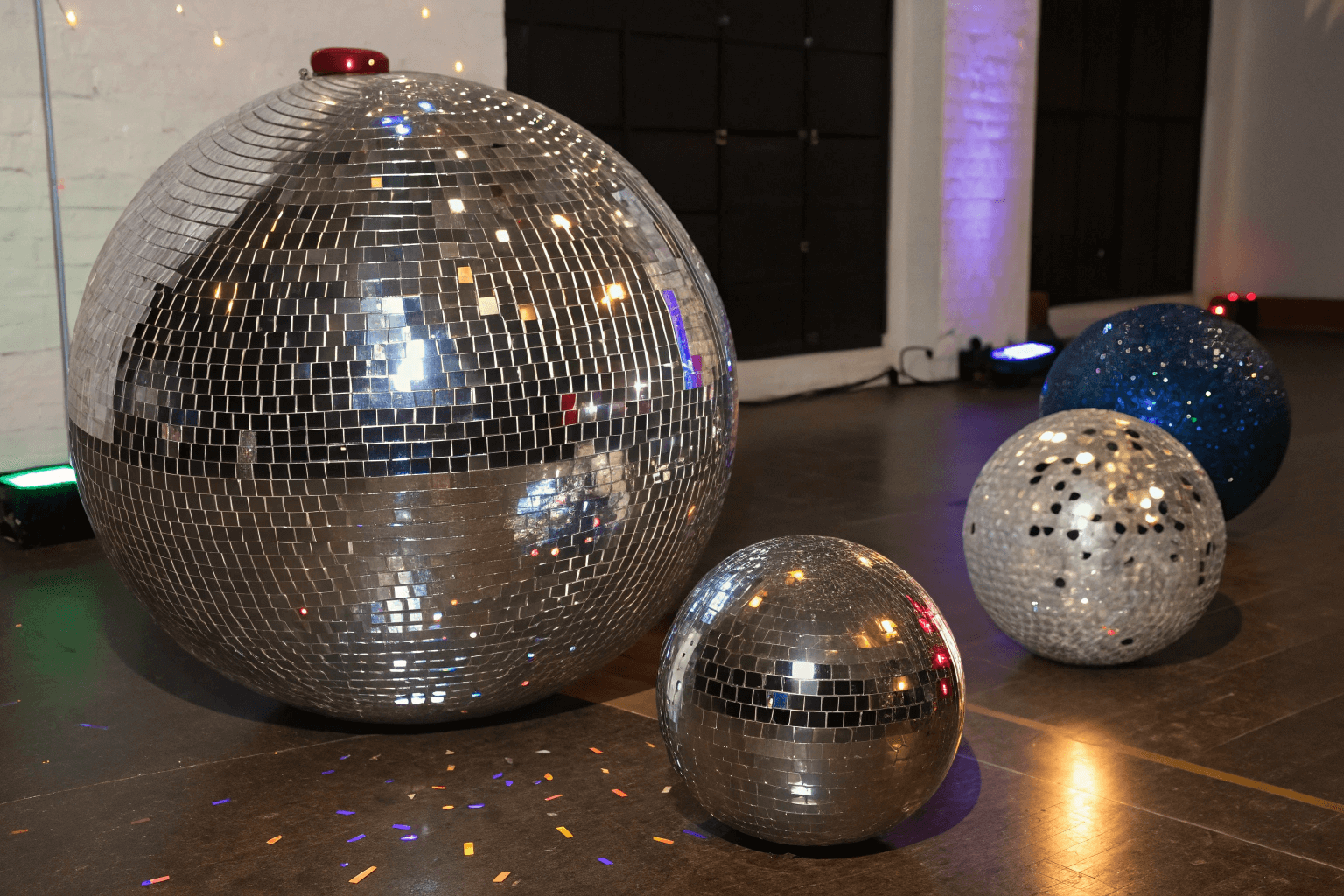
Source Commercial-Grade Mirror Balls, Direct from the Factory
Marketing the “Safety & Fire” Advantage to Clients
Marketing the safety advantage means translating complex fire codes like NFPA 13 for sprinklers and NFPA 220 for structural fireproofing into clear client benefits: reduced liability, assured compliance for high-turnover venues, and protection of their professional reputation. It positions your products as engineered solutions, not just decorations.

Translating Fire Codes into Client Benefits
Move beyond generic claims of safety by citing specific, recognized standards. Referencing NFPA 13 for sprinkler systems or NFPA 220 for structural fire resistance provides a verifiable benchmark that insurers and authorities trust.
Frame this compliance as direct risk mitigation. Systems like wet standpipes and fire pumps with proper flow switches and alarm valves protect a client’s business from costly downtime and liability claims.
Highlight how engineered components meet strict performance criteria. For example, using high-density sprayed fire-resistant materials on steel beams directly addresses the load and fire rating requirements for assembly occupancies.
Use approvals from third-party bodies like the local Fire Department or the Philippine Insurance Rating Association (PIRA) as powerful validation. This builds trust and justifies a premium price point by demonstrating certified compliance.
Building a Compliance-Focused Sales Pitch
Specify how your products integrate without compromising safety. For rigging points, ensure they do not interfere with fire-rated roof assemblies that meet minimum standards like UL 790 Class B or FM Class I approval.
Detail the component-level specifications that matter to engineers and inspectors. This includes fire-rated shaft subducts of at least 22 inches per NFPA 90A or the inclusion of auxiliary drains and inspector test points in sprinkler systems.
Reference performance testing from FM Approvals or UL to validate product claims. This data is crucial for large distributors and insurers focused on loss prevention scenarios.
Tailor your pitch to the client’s specific hazards. For venues with special effects or temporary structures, emphasize how compliant systems and materials address those unique site risks and ensure critical features like emergency vehicle access are maintained.
White-Labeling Options for Large Distributors
White-labeling with BDB allows distributors to rebrand our pre-manufactured, commercial-grade mirror balls and accessories under their own name. This model offers lower minimum order quantities compared to custom manufacturing, enabling faster market entry. The process focuses on custom packaging and logos while BDB handles all production, quality control, and can support complex logistics like Amazon FBA compliance.

| Model | Customization Level | Key Advantage for Distributors |
|---|---|---|
| White-Labeling | Branding only (logo, packaging) | Lowest MOQs, fastest time-to-market, minimal upfront risk |
| Private Labeling | Moderate product variations | Higher MOQs, longer lead times than white-label |
| Contract Manufacturing (OEM) | Full product design and engineering | Highest upfront cost and development time, highest MOQs |
The White-Label Model: Speed, Flexibility, and Lower Risk
White-labeling involves rebranding BDB’s existing, proven product designs—like the 10-200cm mirror balls and 5-500kg motors—with your logo and packaging, with no changes to the core product.
This approach has significantly lower minimum order quantities than private labeling or full contract manufacturing, reducing upfront capital risk and inventory burden.
It enables rapid time-to-market, allowing distributors to test a product category like event decor or retail ornaments without the long development cycles and R&D costs of custom products.
The model is distinct from OEM or full custom fabrication; customization is limited to branding elements, making it ideal for distributors who need reliable, high-turnover inventory quickly.
Implementation and Quality Assurance for Partners
The partnership begins with a vetting process where BDB verifies its own ISO certifications and can provide factory audit reports to assure partners of ethical labor practices and production capacity.
Quality is controlled through clear material and dimensional specifications, third-party inspections at key production stages, and the provision of pre-shipment samples for partner approval.
For distributors using platforms like Amazon, BDB can supply products that meet strict FBA compliance requirements for packaging and labeling, facilitating direct-to-warehouse shipping.
Ongoing partnership includes communication protocols for inventory scaling and MOQ negotiation, allowing for smaller initial runs to validate the market before committing to larger volumes.
Drop-Shipping vs. Stock-Holding Strategies
Dropshipping minimizes upfront costs and inventory risk by having BDB ship directly to your end-client, ideal for testing products or managing cash flow. Holding stock requires a larger initial investment but gives you control over shipping speed, branding, and quality, leading to higher potential margins and customer satisfaction.

The Dropshipping Model: Low-Risk Entry and Scalability
This model eliminates the need for upfront capital to buy bulk inventory or rent warehouse space, which reduces initial strain on your cash flow. It also shifts the responsibilities of storage, packaging, and order fulfillment to BDB, simplifying your day-to-day operations.
Dropshipping enables rapid market entry and product testing without committing to physical goods. However, it creates a dependency on supplier coordination, which can lead to stockouts or shipping delays if not managed closely. Typically, per-unit profit margins are lower compared to bulk purchasing, as you buy at wholesale or near-retail prices.
The Stock-Holding Strategy: Control, Speed, and Margin Potential
This strategy requires a significant initial investment for bulk orders, warehousing, and inventory management systems. The primary benefit is enabling faster local shipping to your clients, drastically cutting delivery times compared to international dropshipping.
Holding stock provides direct control over product quality, custom packaging, and branding, which strengthens the customer experience. The trade-off is increased exposure to demand forecasting errors, risking capital tied up in unsold inventory if market trends shift. The long-term profit potential is higher, achieved through bulk purchase discounts and the ability to command premium pricing for faster, more reliable service.
After-Sales Support: Spare Tile Kits for Clients
A spare tile kit is a pre-configured package of replacement tiles and materials sold to clients after the initial installation. For B2B partners, offering these kits creates a recurring revenue stream, enhances client retention, and provides a practical solution for maintaining installations. It transforms a one-time sale into an ongoing service relationship.

The Business Case for Spare Kits: Recurring Revenue and Client Assurance
Spare kits address the inevitable need for replacements due to accidental damage, wear, or future modifications, preventing client frustration.
They establish a predictable, high-margin revenue stream separate from initial project sales, improving long-term business stability.
Offering kits positions a partner as a comprehensive solution provider, increasing client dependency and reducing the risk of them sourcing replacements from competitors.
For high-turnover markets like event rentals, kits ensure quick turnaround between events, maximizing rental asset utilization and profitability.
Kit Configuration and Operational Logistics
Industry benchmarks, like holding 2% of the installed quantity as spare inventory, provide a starting point for kit sizing, which should be tailored to project scale and client risk profile.
A standard kit includes tiles, color-matched adhesives (like ANSI A118.4TE compliant mortar), and grout, with documentation referencing original project specs for perfect matches.
Kits can be offered as a standalone purchase or integrated into extended service agreements and warranties, adding value to white-label or bundle deals.
Partners can choose to stock kits locally for fast fulfillment or utilize the manufacturer’s drop-shipping network to reduce their own inventory holding costs.
Final Thoughts
For distributors, the path to higher margins in professional decor isn’t about competing on price. It’s about leveraging the inherent value of quality, reliability, and specialized service that B2B customers actively seek. By focusing on premium positioning, targeting high-turnover markets like event rentals, and offering value-added solutions like bundled kits and white-labeling, you can build a more profitable and resilient business.
The strategies outlined here—from selling safety compliance as a core benefit to establishing recurring revenue through after-sales support—are designed to transform your role from a simple supplier to an indispensable partner. This shift not only justifies higher price points but also deepens client relationships, creating a sustainable competitive advantage in a growing market.
Frequently Asked Questions
How do I resell professional disco balls?
Focus on sizes from 12 to 48 inches in diameter, featuring ½ to 1 inch mirrored glass facets on an ABS foam core. These units weigh between 5 and 105 lbs. Pair them with 1–6 RPM motors and position LED pin spots 6–10 feet away for optimal effect. Key markets include nightclubs (12–24 inch balls) and concerts (18–36 inch balls), where durable metal or glass construction is essential for high-traffic installations.
What are typical profit margins for event decor wholesalers?
For wholesalers in the event decor sector, standard gross profit margins range from 30% to 50%. After accounting for operating expenses, net profit margins typically settle between 20% and 40%.
Who are the main white-label disco ball manufacturers?
Primary white-label manufacturers are based in China and accessible through platforms like Alibaba. Key suppliers include Shenzhen Wanray Electronic Technology Co., Ltd., Guangzhou Flyko Stage Equipment Co., Ltd., and Yiwu Neopoly Technology Co., Ltd. They offer OEM customization across a wide range of sizes, from 10cm to 300cm in diameter, with standard mirrored facets of ½” x ½” or 1” x 1”.
What’s the difference between marketing B2B and B2C disco balls?
B2B marketing targets professional venues like clubs and stages with larger, more durable products. The standard B2B size is 16–20 inches, using glass mirrors for superior light reflection, motorized rotation (1–3 RPM), and bulk pricing. B2C marketing focuses on home users with smaller, safer 8–12 inch acrylic balls that are shatter-resistant, portable, and sold at lower retail price points.
Should I provide spare parts to my customers?
Yes, offering spare parts is a key service for maintaining client relationships and equipment longevity. It requires adherence to relevant industry standards for quality management and material handling to ensure safety and compliance.
How can I grow my disco ball rental business?
Start by building core inventory around the versatile 12-inch ball, ideal for medium-sized venues. Bundle it with a motor for a complete rental package. To scale, create premium clusters of 3–4 units for larger events, ensuring professional installation with proper safety rigging hung 8–10 feet high. Target events like weddings and corporate functions with these enhanced packages.