

A disco ball is more than just a party prop; in a professional venue, it’s a decorative asset that directly impacts the guest experience and brand image. Yet, without a formal maintenance plan, its care often falls to inconsistent, ad-hoc methods that risk damage, safety issues, and unexpected costs. This gap between its visual importance and its operational oversight is where a proper Standard Operating Procedure (SOP) becomes a critical tool for facilities management.

This article outlines a comprehensive SOP for long-term disco ball care, translating formal asset management principles into actionable steps. You’ll learn how to apply methodologies like Condition-Based Maintenance—scheduling cleaning based on visual inspections rather than arbitrary dates—and Reliability-Centered Maintenance to prioritize resources. We’ll cover specific protocols, from using the correct non-flammable solvents for fingerprint removal to the tools and safety measures for accessing high ceilings, including how to budget for equipment like lifts, which can cost over $500 per day for large systems. The goal is to provide a framework that extends the asset’s life, protects your investment, and ensures it consistently delivers the intended atmosphere.
The Asset Management Approach to Decor
Applying formal asset management principles to decorative elements transforms them from aesthetic items into managed assets. This approach uses strategies like condition-based monitoring and reliability-centered prioritization to extend the life of decor, protect brand image, and control long-term costs.

| Maintenance Methodology | Core Principle | Application to Decorative Assets |
|---|---|---|
| Condition-Based Maintenance | Triggered by real-time data and inspections, responding to actual performance indicators. | Schedule cleaning and care for high-value decor based on visual inspections and environmental data. |
| Reliability-Centered Maintenance | Focuses resources on assets most vital to the organization’s mission to minimize business risk. | Prioritize maintenance on mission-critical decor, like a lobby’s signature feature, to protect brand experience. |
| Total Productive Maintenance (TPM) | Involves every employee in maintenance to foster a culture of asset excellence. | Train facility staff on proper handling and basic inspection of decorative assets for shared preservation. |
Defining Your Maintenance Strategy
The foundation of an asset management strategy for decor starts with clarifying organizational goals. Define clear objectives for asset uptime, safety, and cost efficiency. This alignment ensures maintenance efforts support broader business priorities and deliver measurable outcomes.
Maintain a comprehensive inventory to track every decorative asset’s lifecycle, history, and specific requirements in one centralized system. This enables informed decision-making, supports preventive scheduling, and provides a basis for lifecycle cost tracking and management.
Core Maintenance Methodologies
Condition-Based Maintenance preserves asset condition by responding to real-time data and inspections rather than fixed schedules. For decor, this means scheduling cleaning or interventions based on visual inspections for dust, smudges, or early signs of oxidation, minimizing unnecessary work while proactively addressing issues.
Reliability-Centered Maintenance allocates resources to minimize business risk by focusing on the most vital assets. Applied to decor, this principle helps prioritize care for high-impact features—like a venue’s central art installation or branded wall—whose failure would most affect guest experience or brand perception.
Total Productive Maintenance involves every employee in the maintenance process to build long-term operational effectiveness. For decorative assets, this translates to training facility staff on correct cleaning methods, safe handling protocols, and how to spot early signs of damage, creating a culture of shared responsibility for preservation.
Applying the Framework to Decorative Assets
Use the asset inventory and condition-based monitoring to create data-driven schedules. For example, mirrored walls or custom light installations can be scheduled for cleaning based on observed dust accumulation or environmental factors like humidity, rather than an arbitrary calendar date.
Apply reliability-centered principles by categorizing decorative assets based on their impact. A stained-glass window in a historic lobby or a digital display wall at a reception would be deemed mission-critical, warranting more frequent inspections, higher-grade cleaning products, and a faster response plan for any issues.
Implement TPM by integrating basic decor care into standard operating procedures. Train janitorial and events staff on using the correct, non-abrasive cloths for polished surfaces and the specific solvents safe for different materials. Empowering frontline staff with this knowledge turns routine cleaning into a form of preventive maintenance.
Professional Dusting Protocols for High Ceilings
Professional dusting protocols for high ceilings prioritize safety, specialized tools, and systematic techniques to remove dust from elevated surfaces without ladders where possible. These protocols are essential for facility managers and cleaning contractors to maintain air quality, reduce allergens, and comply with hygiene standards in commercial and industrial spaces.[1][3][9]

Essential Tools for Ground-Level Access
Key tools enable ground-level access and effective dust capture. Telescoping extension poles with microfiber or magnetic heads reach up to 40 feet for dusting fans and lights. Carbon fiber vacuum poles are preferred in warehouses for their lightweight durability.[1][2][3]
High-reach vacuums like the SkyVac series offer HEPA filtration and reach up to 45 feet for fine dust capture. Microfiber cloths and dusters trap particles without scattering them, used with vacuums for corners and cobwebs.[1][2]
| Vacuum Model | Reach (ft) | Best For[1] |
|---|---|---|
| SkyVac 27 | 20 | Casual cleaning |
| SkyVac 30 | 30 | Moderate dusting |
| SkyVac 78 | 40 | Professional use |
| SkyVac 150 | 45 | Heavy-duty tasks |
Step-by-Step Cleaning Sequence
Follow a sequenced approach for thorough, safe dusting.[1][5][6][7] Begin by preparing the area: inspect for hazards, clear obstacles, and cover floors to protect from falling dust. Use a top-down approach, first removing loose dust and cobwebs from ceilings, vents, and fixtures with extendable tools.[1][2][5][6][7]
Spot clean any stains with a damp microfiber cloth, avoiding excess moisture near electrical components. Conduct a final inspection of filtration systems, empty dust collection bags, and ensure no residue remains on surfaces.[1][3][5]
Safety and Compliance Best Practices
Safety is paramount to prevent falls and dust inhalation.[1][3][6] Prioritize pole-based tools over ladders to minimize fall risks during routine dusting. Mandatory personal protective equipment includes safety goggles, masks, and gloves to prevent dust inhalation.[1][3]
Work in teams for high-reach tasks, ensure proper equipment training, and assess the stability of access equipment. Adhere to a quarterly cleaning schedule in commercial spaces to meet OSHA and NFPA standards and reduce fire hazards.[1][3][6][9][10] Regular tool maintenance, including HEPA filter use and inspection, extends equipment life and ensures effectiveness.[1][9]
Fingerprint and Smudge Removal: Solvent Selection
Selecting the right solvent for fingerprint and smudge removal depends on the surface material and safety requirements. For metals and plastics, Olga’s Original Ointment (OOO) is the primary recommendation due to its non-flammable, low-toxicity formulation. For glass, cost-effective alternatives like dish soap and water or vinegar solutions are effective.

Primary Solvent for Metals and Plastics: Olga’s Original Ointment (OOO)
Olga’s Original Ointment (OOO) from LSS Chemicals is the primary recommended solvent for fingerprint and smudge removal on metals and plastics.
It is a non-flammable, fluorinated blend designed for precision degreasing with low toxicity and high surface compatibility.
OOO acts as a drop-in replacement for older solvents like Vertrel MCA/AK-225, offering safer exposure limits and a lower environmental impact.
Compatible surfaces include aluminum, brass, copper, stainless steel, titanium, tungsten, and plastics like ABS, acrylic, HDPE, nylon, and polycarbonate.
It is the preferred choice for precision and industrial surfaces in high-traffic or educational facilities due to its safety and efficacy.
Alternative Solvents for Glass and General Use
For glass surfaces, such as stove tops, a simple mixture of dish detergent and warm water is an effective and inexpensive option for routine smudge removal.
A solution of white vinegar and water provides an eco-friendly, homemade alternative for glass; thorough rinsing is required to prevent acidic residue.
For a natural cleaning method, grapefruit combined with coarse salt uses citric acid and mild abrasion to tackle light smudges on glass.
These alternatives are cost-effective and help achieve streak-free results, but abrasive methods should be avoided on coated glass to prevent damage.
Application Guidelines and Selection Criteria
Selection should be based on surface type, safety requirements, and cleaning efficacy. For metals and plastics, prioritize non-flammable, low-toxicity solvents like OOO.
For brass, warm soapy water combined with tissue rubbing is often the most effective method for complete removal without causing surface damage.
Always test solvents like OOO on sensitive materials, such as elastomers (e.g., Viton), before full-scale application to ensure compatibility.
Use microfiber cloths for wiping and ensure surfaces are rinsed and dried thoroughly to prevent streaks or residue buildup.
For long-term prevention, applying oleophobic clear coats after cleaning can reduce the visibility of new smudges by over 80%, minimizing future maintenance effort.
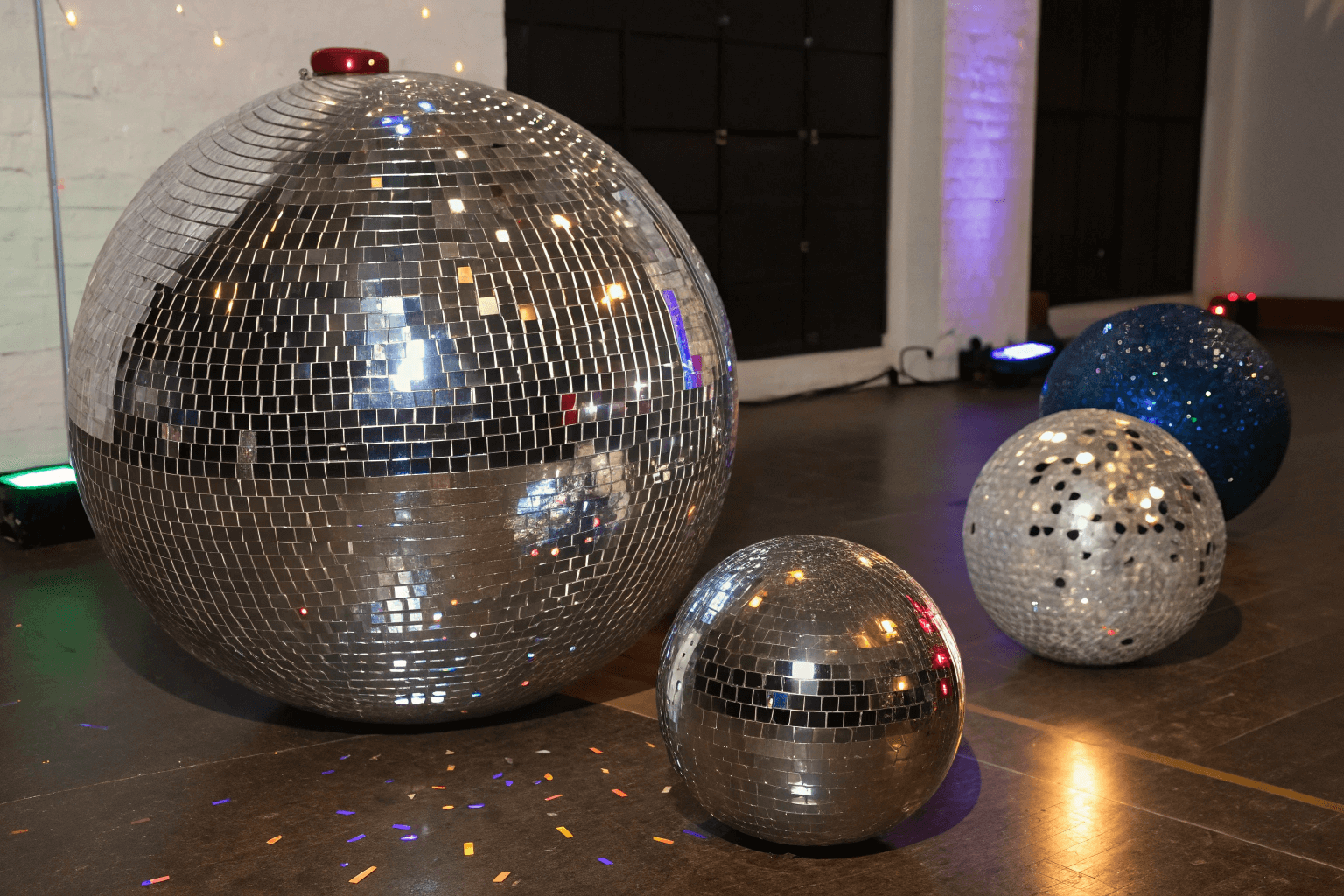
Source Professional-Grade Mirror Balls, Factory Direct.
Detecting Oxidation (Black Spotting) Early
Early detection of oxidation, often appearing as black spotting, relies on visual inspection for discoloration, roughness, or flaky patches, supplemented by spectrophotometry for color changes, surface microscopy, and electrochemical testing. These methods help identify issues before significant damage, aligning with standards like ASTM A967 and ISO 10289.

Key Inspection Methods for Early Detection
Visual inspection under standardized lighting is the simplest method for spotting early signs like black spots, discoloration, or roughness on metals such as stainless steel or copper.
Spectrophotometry provides a quantitative measure of discoloration using CIELAB color space, where a ΔE*ab value greater than 2-5 units typically indicates noticeable oxidation.
Surface microscopy, including optical or scanning electron microscopy (SEM) with EDS, allows for detailed analysis of oxide layer thickness and composition, with layers under 1 μm often being acceptable.
Electrochemical testing, like potentiodynamic polarization, assesses a material’s corrosion resistance to gauge the severity of oxidation indirectly.
AI and machine learning models, such as MO-SOD, can automate detection from micro-imagery, achieving an 82.96% mean average precision for identifying slight, moderate, and severe oxidation on precision materials.
Standard On-Site Procedure and Practical Metrics
The standard procedure begins with cleaning the sample to remove contaminants, followed by visual inspection under controlled lighting conditions.
If visual signs are present, use a portable spectrophotometer to measure color change and compare ΔE*ab values against established thresholds.
For confirmation or detailed analysis, surface microscopy can be employed on-site with portable tools or samples sent to a lab for SEM/EDS.
Key practical metrics for maintenance SOPs include oxide thickness (with >5 μm signaling significant issues) and AI model detection accuracy (mAP).
Integrate these checks into routine maintenance during storage, controlling environmental factors like humidity and considering inert gas blankets to prevent oxidation progression from black spotting to pitting.
On-Site Tile Replacement Procedures
On-site tile replacement follows a standard 5-6 step sequence for safely removing damaged tiles and installing new ones, prioritizing safety, precision to avoid damaging adjacent tiles, and proper material curing times. This procedure is essential for facility managers and cleaning contractors handling floor or wall maintenance in traffic or educational facilities.

The Standard Replacement Sequence
The process follows a standard 5-6 step sequence, starting with grout removal and ending with final sealing.
Key steps include removing the damaged tile, preparing the subfloor, applying new thin-set, setting the new tile, grouting the joints, and allowing proper curing.
This sequence is consistent across industry guides and is designed to prevent damage to adjacent tiles and ensure a durable repair.
Essential Tools and Safety Protocols
A core tool kit includes a grout saw, hammer and chisel, notched trowel, grout float, and a vacuum for cleanup.
Personal protective equipment (PPE) such as safety goggles, gloves, and a dust mask is mandatory due to flying debris and silica dust.
For facility work, best practices include scheduling repairs during off-hours, using plastic sheeting to contain dust, and matching new tiles exactly to the existing installation.
Critical Timelines and Quality Checks
Thin-set mortar requires a full 24 hours to cure before any pressure can be applied to the new tile.
New grout also needs 24 hours to set before the area can handle foot traffic, with initial haze cleanup done 15 minutes after application.
A smooth, debris-free subfloor is critical for adhesion; air pockets or residual adhesive can lead to a weak bond or future failure.
Budgeting for Professional Scaffolding/Lift Rental
Budgeting for professional scaffolding or lift rental involves calculating costs based on equipment type, project duration, height, geographic location, and additional fees. Daily rates typically range from $15 for basic frames to over $500 for large system scaffolding, with weekly averages between $400 and $1,500 depending on the project’s scale.

Key Factors That Determine Rental Costs
Scaffolding type and complexity is the primary driver, with daily rates ranging from $15 for basic frame to over $500 for large system scaffolding.
Project duration directly impacts cost, with weekly and monthly rentals offering significant per-day savings compared to daily rates.
The height and size of the required structure increase the price; a 20-foot sectional tower can cost over $100 per day.
Geographic location causes major price variations, with urban areas like New York City averaging $1,188 per week, nearly 50% higher than some rural states.
Hidden fees for delivery, setup, dismantling, and permits can add 20–30% to the base rental cost, with total project averages around $3,000.
A Practical Guide to Estimating Your Total Budget
Start by multiplying the daily rate by the number of project days, then add a 20–30% buffer for delivery, setup, and potential permit fees.
Compare rental versus purchase: renting is cost-effective for projects under one month, while buying (a $2,500–$4,000 investment) is only viable for frequent, long-term use.
For facility managers, integrate equipment selection into your SOPs, prioritizing certified operators for complex systems like suspended scaffolding to meet safety regulations.
Always obtain and compare detailed quotes from multiple vendors, confirming what is included in the rate to avoid unexpected charges.
Rental Rate Comparison by Equipment Type
Basic frame scaffolding ($15–$50/day) is suited for simple residential tasks like painting.
Rolling or baker scaffolds (12′-18′ height) cost $25–$75 daily or $75–$135 weekly, ideal for indoor maintenance work.
Sectional towers (12′-27′ height) range from $52–$104 per day, commonly used for outdoor building facades.
Suspended systems command $75–$200+ per day and are essential for high-rise exterior cleaning and window washing.
For large-scale projects, a full detached house scaffolding package averages $1,200 per week.
Documenting Maintenance for Safety Audits
Comprehensive, accurate, and current maintenance documentation is vital for safety audits. It provides proof of compliance during regulatory inspections and helps identify non-compliant activities before they become larger problems.

Essential Records for Compliance and Proof
Maintaining detailed records is the foundation of audit readiness. Essential documents include work orders and maintenance logs for all activities, which provide a chronological account of work performed. A complete equipment history and inspection records are necessary to track performance, servicing, and identify recurring issues.
Certification records that demonstrate compliance with standards like OSHA, ANSI, and NIOSH must be archived and readily accessible. Similarly, training records, including equipment-specific certifications for personnel, should be stored to verify staff competency. Finally, all incident and near-miss reports must be documented to identify and address potential hazards proactively.
Structuring Audit Reports for Action and Follow-up
Effective audit reports are structured to drive action. They must include comprehensive notes that describe each identified hazard, its precise location, assessed severity, and clear recommended corrective actions. Attaching photos provides unambiguous visual evidence of the issues found, removing subjectivity.
Findings should be categorized by severity level—such as critical, moderate, or low—to help prioritize responses and resource allocation. The report must document all corrective actions taken, specifying who is responsible and the agreed-upon timeline for completion. Overall, the documentation must demonstrate a program of regular equipment maintenance checks and proper use of safety features and PPE.
Frequently Asked Questions
What is the professional cleaning protocol for high disco balls?
Professional cleaning involves wiping the external surface with a soft, dry cloth at least every 20 days to prevent dirt accumulation, ensuring optimal light reflection and longevity. The ball must be unplugged and stationary before cleaning. Never use alcohol, solvents, ammonia-based products, or anything abrasive to avoid damaging the mirrored facets. For musical disco balls, mild household cleaners like Simple Green can be used, but submersion should be avoided to protect electronics.
How can loose mirror tiles be fixed on-site?
Loose mirror tiles can be repaired on-site by removing old adhesive, cleaning the surface, applying a mirror-safe adhesive, and re-securing the tile. The process involves preparing the area by removing loose grout, cleaning the tile back and wall thoroughly, applying a 2-3 mm layer of mirror-safe epoxy or construction adhesive, pressing the tile firmly into place, and re-grouting the edges. This method is suitable for quick upkeep but is not recommended for heavily cracked tiles, which require replacement.
Which cleaning products should be avoided for glass decor?
Avoid abrasive cleaners (like Soft Scrub®, Ajax®, or Comet®), acidic or alkaline solutions (vinegar, lemon juice, strong chemicals), harsh chemicals (acetone, bleach), ammonia-based cleaners, paper towels or newspaper, strong solvents (nail polish remover, paint thinner), and dishwashing detergent. These can scratch, etch, cloud, streak, or damage glass surfaces and coatings. Use ammonia-free, glass-specific cleaning solutions with lint-free cloths for optimal results.
Is scaffolding required for disco ball maintenance?
Scaffolding is not typically used for disco ball maintenance, as disco balls are lightweight and hung from ceilings, usually requiring only standard ladders or lifts for cleaning and inspection. For exceptionally high or complex installations in large venues, if scaffolding is employed, it must follow strict maintenance SOPs including daily pre-use inspections, cleaning after use, lubrication, proper storage, and adherence to regulatory standards like OSHA guidelines for load limits and safety.
How can mirror oxidation be prevented in humid clubs?
Prevent mirror oxidation in humid clubs by prioritizing ventilation with exhaust fans, sealing mirror edges with waterproof epoxy resin or silicone sealant, using moisture-resistant mirrors with anti-desilvering coatings or copper sacrificial layers, positioning mirrors away from direct steam zones, and implementing regular maintenance like wiping condensation and using dehumidifiers. Facility managers should run fans for 20–30 minutes post-event and inspect edges quarterly for sealant wear.
What are the maintenance costs for large venue installs?
Annual maintenance costs for large venue installs typically range from $1.00 to $8.40 per square foot, with basic maintenance at $1.60-$2.80 per sq ft and higher-end services up to $8.40 per sq ft. Total operating expenses, including utilities and staffing, can reach $10-$25 per sq ft. Budgeting should allocate 2-5% of the building’s replacement asset value annually, with major cost drivers being HVAC systems, utilities (20-30% of costs), and management fees (4-10%).
Final Thoughts
A disco ball is more than just a party accessory; it’s a managed asset that requires a structured, long-term care plan. By applying formal asset management principles—like condition-based monitoring, reliability-centered prioritization, and involving staff in preservation—you can extend its life, protect your venue’s brand image, and control costs over time. This approach transforms routine cleaning into a strategic investment in your space’s atmosphere and value.
The real value of this SOP lies in its proactive nature. Instead of reacting to a dull, dusty, or damaged fixture, you establish a system that prevents problems before they start. Regular inspections catch early oxidation, the right solvents keep surfaces pristine, and proper documentation ensures every maintenance action supports safety and compliance. This framework doesn’t just maintain a disco ball; it preserves the experience it’s meant to create, ensuring it continues to shine for years to come.