

Installing foam decor in a commercial space without proper fire certification isn’t just a design choice—it’s a direct violation of fire codes that can lead to immediate fines, project shutdowns, and severe liability. For architects, facility managers, and event planners, understanding the specific standards like B1 fire certification is the critical first step in avoiding these costly and dangerous compliance failures.

This report explains why fire marshals prohibit non-compliant materials, detailing the legal and financial risks. We’ll clarify the key differences between standards like DIN 4102 B1 and UL 94, examine the smoke toxicity data for materials like EPS, and outline the exact documentation—such as NFPA 701 certifications—required for site submittal approval. You’ll learn why materials must pass tests with specific criteria, such as a flame spread index below 75 and smoke developed index under 450 per ASTM E84, to meet code for public spaces.
Fire Hazards in Commercial Public Spaces
Fire hazards in commercial public spaces stem from ignition sources like electrical faults and cooking grease, obstructed egress routes, improper storage of flammable materials, and inadequate system maintenance. A layered safety approach, governed by NFPA standards, addresses these risks through active suppression, detection, and life safety measures.

Common Ignition Sources and Fuel Loads
Electrical faults in wiring or overloaded circuits are a leading cause of ignition. These failures can occur in aging infrastructure or from circuits pushed beyond their designed capacity.
Commercial cooking operations generate grease-laden vapors, a major fuel source regulated by NFPA 96 for hood and duct design. Without proper ventilation and cleaning, this grease accumulation can ignite rapidly.
Portable heaters, faulty appliances, and improper use of extension cords present ignition risks. These devices can overheat or spark, especially when used near combustible materials.
Accumulation of combustible materials like packaging, decorations, or retail stock increases the available fuel load and fire intensity. This is why standards enforce rules like a 20-foot maximum height for solid storage piles to limit fire size and maintain firefighter access.
NFPA Standards for Detection, Suppression, and Egress
NFPA 13 governs sprinkler system design, specifying wet, dry, and pre-action systems with rules for spacing, obstruction, and hydraulic calculations. It ensures water delivery is calculated and reliable for the specific hazards present.
NFPA 72 covers fire alarm and emergency communication systems, including performance, testing schedules, and integration with elevators and HVAC. This standard ensures timely detection and coordinated building system response.
NFPA 101, the Life Safety Code, mandates egress route integrity, exit signage, fire-rated barriers, and emergency lighting for safe occupant evacuation. It addresses the human element of fire safety by protecting escape paths.
NFPA 10 requires proper fire extinguisher placement, accessibility, and annual maintenance, categorized by fire class (A, B, C, K). This provides the first line of defense for occupants to tackle small fires before they grow.
Other critical standards include NFPA 96 for commercial kitchen ventilation and grease duct safety, and NFPA 2001 for clean agent systems in sensitive areas like server rooms. Physics-based spatial controls, such as the 10-foot separation required for outdoor storage from lot lines, complement these system standards by limiting flame spread and ensuring access for suppression efforts.
Understanding DIN 4102 B1 and UL94 Standards
DIN 4102 B1 is a German building materials standard that tests vertical flame spread, smoke temperature, and dripping behavior. UL 94 is a North American plastics flammability standard, with ratings like HB and V-2 based on horizontal or vertical burning rates. They are not equivalent and serve different regulatory and material contexts.

The Purpose and Scope of Each Standard
DIN 4102 B1 is a German standard for evaluating the fire behavior of building materials, focusing on vertical flame spread and secondary ignition hazards from dripping.
UL 94 is a plastics flammability standard from Underwriters Laboratories, primarily used for electrical equipment and polymer components, with ratings like HB for slow horizontal burning.
DIN 4102 B1 is critical for architectural applications like decorative fabrics in public spaces, while UL 94 is common for product enclosures and internal components.
The German standard is being phased out in favor of the harmonized European EN 13501-1 (Euroclass) system for broader EU compliance.
Key Test Methods and Performance Criteria
DIN 4102 B1 uses a vertical ‘Brandschacht’ test with a 50W flame for 15 seconds; the flame must take at least 20 seconds to reach a marked point.
For DIN 4102 B1, burning droplets must self-extinguish within 2 seconds without igniting paper below, and smoke temperature must not exceed 200°C.
UL 94 HB measures horizontal burning rate, with limits of 38 mm/min for 3mm thick samples or 76 mm/min for thinner materials.
UL 94 V-1 and V-2 ratings assess vertical burning; both require flames to self-extinguish within 30 seconds, but V-2 permits flaming droplets while V-1 does not.
Smoke Toxicity: EPS vs. Fire-Retardant FRP
Standard EPS produces moderate smoke with lower toxicity than many natural materials, releasing carbon monoxide and styrene. Fire-retardant EPS significantly reduces heat release and smoke generation. While direct FRP comparisons are limited, fire-retardant treatments for both materials aim to improve safety by lowering flame spread and toxic gas emissions.

Understanding Smoke Toxicity and Combustion Byproducts
The density of smoke does not directly indicate its toxicity. EPS foam produces visually dramatic black smoke when it burns, but this smoke can be less toxic than the smoke from other common fuels.
The primary hazardous gases released during EPS combustion are carbon monoxide (CO) and styrene. Carbon monoxide poses the greater acute risk, with fatal concentrations (10,000 to 15,000 parts per million) potentially developing in just one to three minutes during a fire.
Historical test data, such as the TNO study from 1980, indicates that the smoke from standard EPS has lower toxicity than smoke generated from burning wood, wool, silk, or cotton.
The pentane gas used to expand EPS foam decomposes harmlessly early in a fire’s development, well before conditions become critical. This means the blowing agent contributes minimally to the overall toxicity of the smoke.
Performance Data: Standard EPS vs. Fire-Retardant Treatments
In standardized fire tests, standard EPS typically achieves an ASTM E84 Class C rating, with a flame spread index between 76 and 200 and a smoke developed index of 450 or less. Under the European EN 13501-1 system, it is classified as Class E, which indicates a material of high flammability.
Fire-retardant (FR) treatments for EPS are designed to reduce the rate of flame spread, the amount of heat released, and the volume of smoke produced. These additives do not have negative long-term effects on the material’s performance.
Cone calorimeter testing provides quantitative data on these improvements. For example, coated or intumescent fire-retardant EPS can show a Peak Heat Release Rate (PHRR) of 57.6 kW/m² and a Total Heat Release (THR) of 7.3 MJ/m². This is a major improvement over untreated, or “neat,” EPS, which often has a PHRR exceeding 70 kW/m² and a THR over 70 MJ/m².
For projects with stringent fire code requirements, such as those following NFPA 260, specifying EPS with treatments that achieve ASTM E84 Class A or B performance is essential. Untreated EPS may not meet these stricter standards.
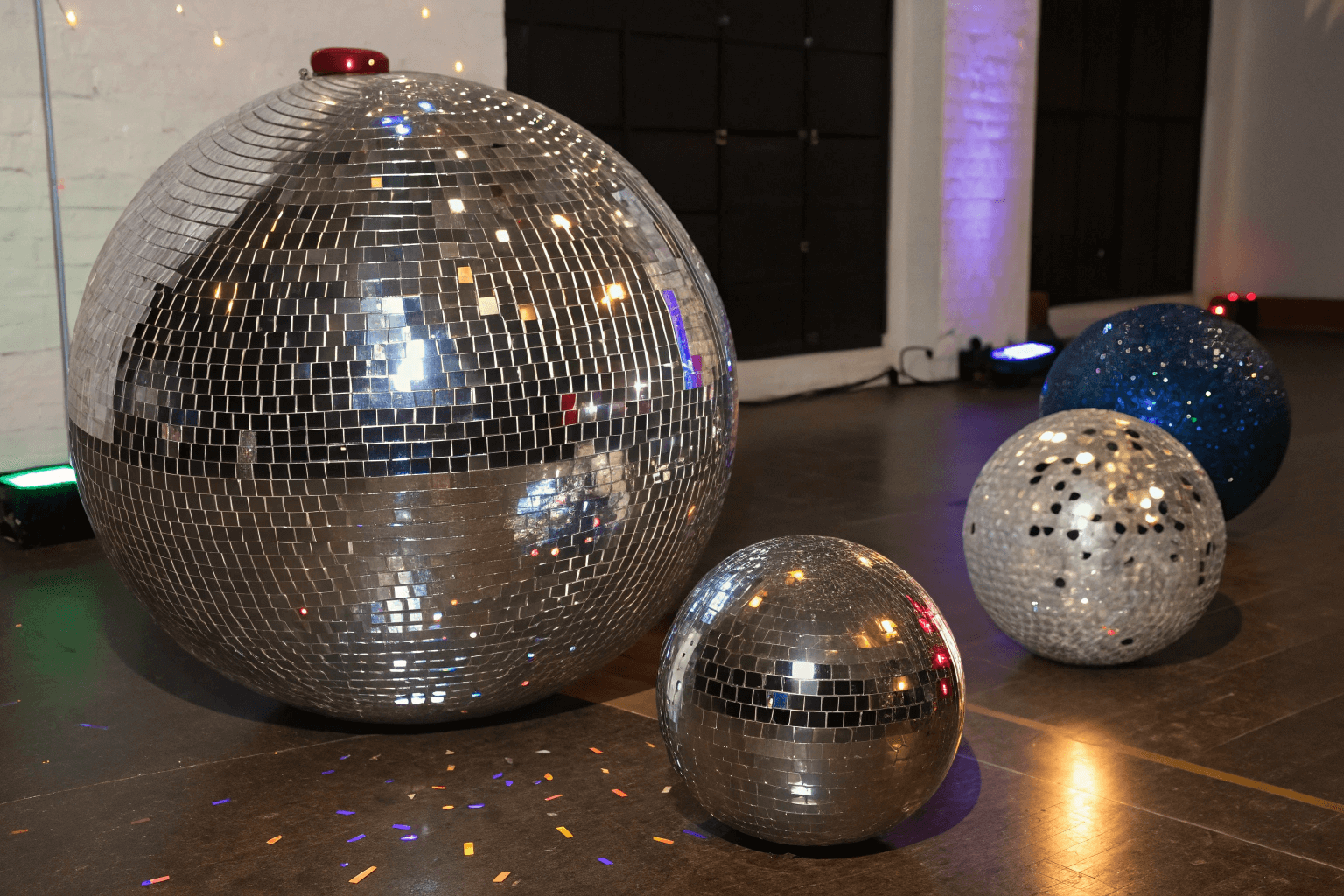
Source Commercial-Grade Mirror Balls, Engineered for Professionals
How to Provide Certification to Fire Marshals
Certification for fire marshals is primarily managed through programs like the Center for Public Safety Excellence’s Fire Marshal (FM) designation. This involves earning 150 points via a combination of accredited education, verified professional experience, and specific certifications such as NFPA 1037 or ICC Fire Marshal. The process requires submitting transcripts, organizational charts, and proof of certifications for peer review.
| Credentialing Element | Point Value Range | Key Examples |
|---|---|---|
| Accredited Education | 25 – 150 points | Academic certificates, Associate’s, Bachelor’s, or Master’s degrees. |
| Professional Experience | 5 – 60 points | Based on position level (e.g., Level 1 Fire Marshal) and tenure. |
| Specific Certifications | 15 – 25 points | ICC Fire Marshal (25 pts), NFPA CFPS (20 pts), NFPA Fire Inspector I/II (15 pts). |
| Technical Competency Exemption | Varies (Experience-based) | 5-20 years of specific experience paired with relevant degrees and certifications. |

The 150-Point Credentialing System
The Center for Public Safety Excellence (CPSE) Fire Marshal designation requires a total of 150 points. This system provides a structured framework to quantify a candidate’s qualifications.
Points are earned through accredited education, which can contribute 25 to 150 points for certificates, associate’s, bachelor’s, or master’s degrees. Professional experience adds another 5 to 60 points, calculated based on the position level and tenure, with a Level 1 Fire Marshal or Chief of Fire Prevention role earning the maximum 60 points.
Specific certifications significantly boost a candidate’s point total. For example, the ICC Fire Marshal certification is worth 25 points, while the NFPA Certified Fire Protection Specialist (CFPS) adds 20 points. The system also includes a Technical Competency exemption pathway, which can waive certain requirements for candidates with 5 to 20 years of experience when combined with relevant degrees and certifications.
Key Standards and Submission Requirements
NFPA 1037 serves as the core professional standard for Fire Marshal certification and is accredited by bodies like ProBoard or IFSAC. This standard is also foundational for other credentials, such as the ICC Fire Marshal certification.
The verification process is rigorous. Applicants must submit an organizational chart to confirm their position level, along with attachments of official transcripts and copies of all relevant certificates for peer review. In federal or Department of Defense contexts, additional prerequisites apply, such as obtaining Fire Inspector I certification within 12 months of appointment.
While ongoing qualification often involves annual continuing education, the initial credentialing focus remains on verifiable education, documented experience, and core certifications. Architects and planners support certified marshals by submitting compliant plans that detail required fire-resistance ratings and assemblies.
Legal Liabilities of Installing Non-Rated Decor
Installing non-fire-rated decor in regulated commercial spaces like theaters or hotels violates building and fire codes, such as NYC’s 3 RCNY § 805-01. This non-compliance exposes responsible parties to immediate enforcement actions, including fines and removal orders, and creates significant liability for damages in the event of a fire, potentially leading to lawsuits and denied insurance claims.

Code Violations and Immediate Enforcement Actions
Using non-compliant decorative materials directly breaches specific fire safety regulations. For example, New York City’s 3 RCNY § 805-01 explicitly prohibits non-flame-resistant decorations in Group A occupancies, which include assembly halls, theaters, and similar venues.
Compliance requires submitting detailed affidavits or NFPA 701 certifications. These documents must confirm the flame-retardant treatment, including the specific chemical used, its trade name, the manufacturer’s Certificate of Approval number, and the effective warranty period for the treatment.
Authorities enforce these rules strictly. Non-compliance triggers immediate actions, such as on-site removal orders for the materials, rejection of incomplete documentation, and fines levied against the property owner or the responsible Certificate of Fitness holder.
Fire departments can also conduct a Field Flame Test on-site per the code. If the material fails this test, it must be removed immediately and re-treated under the supervision of the Certificate of Fitness holder, which can halt operations entirely.
Financial and Legal Exposure from Fire Events
The long-term liabilities are severe if a fire occurs. Installers and building owners can face lawsuits from injured parties or those who suffer property damage. The core of the liability is the failure to use code-compliant, fire-resistant materials that could have contained the fire’s spread.
After a violation is discovered, responsible parties incur substantial out-of-pocket costs. They must pay for emergency retrofits to replace the non-compliant installation with properly rated alternatives, such as panels with a 1-2 hour fire-resistance rating.
Insurance coverage is also at risk. If a fire involves non-rated materials, insurers are likely to deny the claim for damages, leaving the property owner to cover all losses. This can also lead to policy cancellation or significant premium increases.
This exposure mirrors the liability framework for other fire-rated assemblies. For instance, NFPA 80 requires annual documented inspections for fire-rated doors and windows. Failure to perform these inspections creates similar legal and financial risks if a fire leads to failure of the assembly.
The Non-Combustible Nature of Glass Fibers
Glass fibers are non-combustible due to their inorganic silica-based composition, primarily silicon dioxide (SiO₂). They do not ignite or sustain a flame. Instead, they withstand continuous temperatures over 600°C, only softening at 846°C, which makes them a foundational material for fire-rated assemblies and compliant with standards like ASTM E136 and NFPA 13.

The Inorganic Composition That Prevents Combustion
The core of a glass fiber’s fire resistance is its inorganic makeup. The primary component is silicon dioxide (SiO₂), an inert mineral, often stabilized with additives like alumina (Al₂O₃) and calcium oxide (CaO). This inorganic structure lacks the carbon-based organic compounds found in materials like wood or plastic that serve as fuel for a fire.
When exposed to heat, organic materials undergo pyrolysis, breaking down into flammable gases that ignite. Glass fibers do not experience this thermal decomposition. Instead of burning, they maintain their integrity until extreme temperatures are reached, with a softening point of 846°C (1555°F) and a melting point of 1121°C (2075°F). This fundamental property is a key reason they meet the criteria for non-combustibility in tests like ASTM E136.
Performance Data and Compliance for Fire Safety
The material science translates into measurable, certified performance. For instance, E-Glass fibers retain 50% of their room-temperature tensile strength at 371°C (700°F), demonstrating they don’t just survive a fire but maintain structural integrity during one. This performance is validated by rigorous standards.
The ASTM E136 test confirms non-combustibility by exposing a sample to a 750°C furnace; a true non-combustible material like fiberglass will show no sustained flaming, significant weight loss, or glowing combustion. Products that pass this test, such as specific fiberglass batts, are formally recognized as noncombustible under codes like NFPA 13 Section 9.2.1 for use in fire-rated wall and ceiling assemblies.
Furthermore, products like fiberglass insulation batts achieve a Class A fire rating in the ASTM E84 tunnel test, with a Flame Spread Index of 25 or less and a Smoke Developed Index of 50 or less. This combination of inherent non-combustibility and excellent surface burning characteristics makes glass fiber a reliable choice for architects and builders designing to meet strict fire safety codes.
Site Submittal Procedures for Architects
Site submittal is a gated approval process where architects must submit complete fire protection design packages to the AHJ, such as a Division of Fire Marshal, for review before any construction begins. Key steps include preparing shop drawings and technical specifications, adhering to strict review timelines, and receiving a stamped approval on the cover sheet, which is mandatory for on-site use.
| Review Type | Standard Timeline | Key Requirement |
|---|---|---|
| Design Document Review | 14 calendar days from receipt of complete package | Complete fire protection package required |
| Change Order Review | 7 calendar days | Expedited review for modifications |
| On-Site Construction | N/A | Requires stamped, approved submittals |

The Gated Review Process and Required Documentation
The approval process for fire and life safety plans is a structured, gated system. Authorities Having Jurisdiction (AHJ), like a Division of Fire Marshal, typically enforce three distinct phases: design review, construction submittal review, and final inspection. Each phase must be cleared before proceeding to the next.
Architects must prepare and submit specific technical documents for the construction submittal review. This package includes sprinkler shop drawings, fire alarm system diagrams, fire pump preliminary design calculations, and fire suppression system specifications. These documents provide the detailed instructions for installation.
AHJ approval is a mandatory gate before any installation work can start. All fire protection construction submittals must receive this formal review. Only submittals with a stamped approval on the cover sheet are authorized for use on the construction site.
During the design review, the AHJ examines multiple critical elements for code compliance. This review assesses structural fire resistance as per the International Building Code (IBC), fire pump specifications, fire suppression systems, fire alarm systems, underground fire mains and hydrants, and smoke control systems.
Review Timelines, Approval Evidence, and Critical Deadlines
The AHJ operates on defined review schedules to provide predictability. For a complete package of design documents, the standard review is completed within 14 calendar days from the date of receipt. This timeline applies to initial submittals.
For change orders or modifications to previously approved plans, an expedited review process is often available. These reviews are typically completed within a shorter window of 7 calendar days, helping to minimize project delays for necessary adjustments.
Official approval is not conveyed through a letter or email alone; it is physically evidenced by a stamped cover sheet on the shop drawings. This stamped document is the sole authorization for contractors to proceed with the construction and installation of the fire protection systems as drawn.
Submitting a complete and accurate documentation package from the outset is the most critical factor in meeting project deadlines. The review clock only starts once the AHJ receives a complete package. Incomplete submissions are returned, resetting the timeline and causing significant delays.
Final Thoughts
The prohibition of foam and other non-rated decorative materials by fire marshals is not an arbitrary restriction but a critical enforcement of life safety principles. The core issue lies in the fundamental fire behavior of these materials—their rapid flame spread, significant smoke production, and contribution to fuel load—which directly undermines the layered safety systems designed to protect occupants. Standards like NFPA 101, NFPA 701, and local codes such as NYC’s 3 RCNY § 805-01 exist to mitigate these specific risks in public spaces.
For architects, designers, and facility managers, this creates a clear mandate: fire safety must be integrated into the aesthetic vision from the outset. Specifying compliant materials—whether inherently non-combustible like glass fiber or properly treated and certified fabrics—and navigating the formal submittal process with the Authority Having Jurisdiction (AHJ) are non-negotiable steps. The legal and financial consequences of non-compliance, from fines and work stoppages to catastrophic liability in a fire, far outweigh any perceived convenience or cost savings from using unrated decor. Ultimately, adhering to these protocols ensures that spaces are not only visually compelling but, more importantly, safe for everyone who uses them.
Frequently Asked Questions
Are disco balls a fire hazard?
Yes, disco balls present fire hazards primarily from electrical faults in powered models and focused sunlight on reflective crystals acting as a heat ray. Official recalls and safety reports confirm non-compliance with standards like the Electrical Equipment (Safety) Regulations 2016. A minimum distance of 5.0 feet (1.5m) from flammable materials is recommended.
What is a B1 fire rating for decor?
A B1 fire rating classifies materials as flame-retardant, meaning they self-extinguish after flame removal and show slow flame spread. Under standards like China’s GB/T8627, key metrics include a fire height of ≤150mm, low smoke density (<75), and an average remaining length of ≥150mm after burning.
Can I hang a foam ball in a hotel lobby?
No, standard foam balls cannot be hung in a hotel lobby without a 1/2-inch (12.7 mm) gypsum wallboard thermal barrier separating the foam from the building interior, as per IBC Section 2603.4. The foam must also meet a Flame Spread Index <75 and a Smoke Developed Index <450 (ASTM E84).
What are the fire marshal requirements for disco balls?
No specific fire marshal requirements, industry standards, or technical specifications exist for disco balls in authoritative sources such as NFPA codes or government bulletins. They are not addressed in categories like special events or amusement structures beyond general product safety recalls.
What are non-combustible decorative materials?
Non-combustible decorative materials are engineered to resist ignition and flame propagation. They must pass standards like BS 476 Part 4. Approved materials include metal products (aluminum panels), cementitious boards (fiber cement), masonry, certain types of glass, and stone. These materials are required in spaces like atria and for suspended decorations per NFPA 701.
What is the difference between UL94 and B1 for mirror balls?
UL94 (US/North American) and B1 (Chinese) are distinct fire standards. UL94 rates plastics via vertical burn tests, with a V-0 rating requiring burning to stop within 10 seconds with no flaming drips. B1 classifies non-building materials as difficult-to-ignite. No direct equivalence exists, but mirror ball plastics often target UL94 V-0/V-1 at thicknesses of 1.5-3mm for venue compliance.