

Integrating a mirror ball into a luxury residential project is no longer just a nod to retro party decor; it’s a strategic design decision that can define a space’s energy, light, and perceived value. For designers and builders, the challenge lies in elevating this playful element into a sophisticated, intentional feature that aligns with modern aesthetics and client expectations for art-grade finishes.

This guide breaks down the practical application of the ‘Disco Deco’ trend, showing you how to style authentic mirror balls for maximum impact. We’ll cover strategic placement to harvest natural light—a technique that can reduce a building’s lighting energy use by 20-60%—and explain how to create visual anchors in minimalist spaces. You’ll also learn the essential maintenance protocols for preserving delicate art-grade mirror surfaces to ensure longevity and client satisfaction.
The “Disco Deco” Interior Trend Explained
Disco Deco is a 2026 interior design trend that merges the shimmer and light-play of disco balls with the elegant, geometric lines of Art Deco. It creates a theatrical yet refined aesthetic, balancing retro energy with contemporary sophistication for luxury residential spaces.

What is Disco Deco? A 2026 Fusion of Glamour and Geometry
Disco Deco is a 2026 interior design trend that merges the shimmer and light-play of disco balls with the elegant, geometric lines of Art Deco.
It moves beyond literal 1970s disco motifs, drawing from a modern Art Deco revival (sometimes called “NecoDeco”) for a theatrical yet refined aesthetic.
The result is a playful glamour suited for luxury residential spaces, balancing retro energy with contemporary sophistication.
Key Design Elements and Strategic Placement
The core element is reflective surfaces: mirrored walls, tiles, or full disco balls used to diffuse light and create movement.
To avoid a gaudy look, this shimmer is balanced with solid colors (bright white or deep tones), minimalist textures, and serious furniture.
Strategic applications include wrapping a kitchen island in mirrored tiles for a bold statement or hanging a disco ball in a breakfast nook to pair with natural light and prism glass.
In general rooms, chrome decor and geometric arches work best in high-light areas, layered with textures like velvet for added glamour.
Professional Application and Future Outlook
For designers and builders, the trend is about confidence and scale. Experts like Fawn Galli advise going “a little larger and bolder” to ensure a curated, artful feel.
Successful integration relies on contrast—pairing reflective elements with dark paints, solid fabrics, or biophilic neutrals to maintain sophistication.
The trend is projected to persist beyond 2026, merging retro-glam from the 1960s-1980s with modern refinement, making it a relevant feature for luxury spec homes and wellness-focused designs.
For fabrication, this creates demand for custom mirrored tiles, architectural walls, and sculptural pieces that require precise, high-quality manufacturing to achieve the intended art-grade finish.
Natural Light Harvesting: Placing Balls near Windows
Placing decorative balls near windows enhances natural light harvesting by reflecting and diffusing sunlight deeper into rooms. This technique reduces reliance on artificial lighting, improves energy efficiency, and creates a brighter, more even illumination.

How It Works: Reflecting and Diffusing Sunlight
Decorative balls made from glass, metallic, or mirrored surfaces act as light multipliers, bouncing daylight off walls and ceilings to brighten darker corners.
This technique reduces harsh glare by softening and spreading the light, creating a more even and comfortable illumination throughout the room.
Strategic placement on windowsills, shelves, or in hanging mobiles maximizes the effect, pulling natural light deeper into the space without the need for artificial fixtures during the day.
Measurable Benefits: Energy, Environment, and Well-being
Integrating reflective decor with daylight harvesting strategies can reduce a building’s lighting energy use by 20-60%, contributing to significant operational savings.
This approach lowers the environmental footprint by minimizing reliance on artificial lighting, which typically accounts for 25-40% of a building’s total energy consumption.
Spaces with optimized natural light see improvements in occupant mood and productivity, supporting well-being and creating a more desirable living environment.
Implementation for Luxury and Sustainable Design
For maximum impact, position clusters of 3-5 balls at eye level near south- or west-facing windows to capture peak sunlight from late morning to mid-afternoon.
In luxury builds, artisanal glass or crystal orbs serve as both functional light harvesters and elevated decor pieces, aligning with LEED certification goals for daylighting.
Pairing the installation with photo sensors can automate artificial light dimming, pushing potential energy savings toward 60% in spaces with large windows like living rooms or atriums.
Creating Visual Anchors in Minimalist Lofts
Visual anchors in minimalist lofts are key elements that provide focus, define zones, and add depth to open-plan spaces. They blend architectural features, strategic furniture, and organic accents to create a cohesive, layered environment that balances industrial rawness with curated warmth.

Architectural Features as Foundational Anchors
Exposed brick walls add warmth, texture, and timeless charm, serving as a stunning backdrop for art and furniture. They blend history with urban appeal and balance industrial elements with cozy layers. Accent lighting highlights these features to create dramatic focal points.
Arched windows flood spaces with natural light, creating drama and openness; high ceilings enhance grandeur for tall fixtures. They frame cityscapes and draw eyes upward, amplifying minimalist aesthetics. Balance with vertical elements like tall plants or lamps.
These permanent elements blend history with urban appeal, framing cityscapes and drawing eyes upward to amplify minimalist aesthetics.
Furniture and Lighting for Zoning and Focus
Statement pendant lights act as showstoppers, defining zones like dining areas with industrial elegance and combining task lighting with drama. Sculptural pendant lights are visual anchors; hang them 30-36 inches above surfaces, using odd numbers over islands for pleasing aesthetics in high-ceiling spaces.
Sleek black fixtures, tables, and islands ground neutral palettes and anchor spaces with bold simplicity, adding high-contrast drama without clutter. High-contrast black fixtures pair with white chairs or marble for balance, maintaining minimalist cool in luxury lofts.
Neutral area rugs anchor symmetrical seating arrangements, define welcoming zones, and soften industrial roots while maintaining openness. They contrast with textured brick or concrete, adding balance under exposed elements and can be layered with plush blankets for cozy minimalism.
Organic Accents for Texture and Balance
Potted plants and greenery add life, balance stark industrial palettes, and create urban jungle vibes by softening raw concrete and steel. Scatter oversized potted plants along ledges or in curated corners to provide organic contrast.
These organic elements provide texture and natural contrast in curated corners, enhancing biophilic design principles within the loft.
Lush accents work with other anchors, like contrasting with textured brick or concrete, to achieve a layered, cozy minimalism.
Source Commercial-Grade Mirror Balls, Factory Direct
Static Clustering: The “Cloud” Installation Look
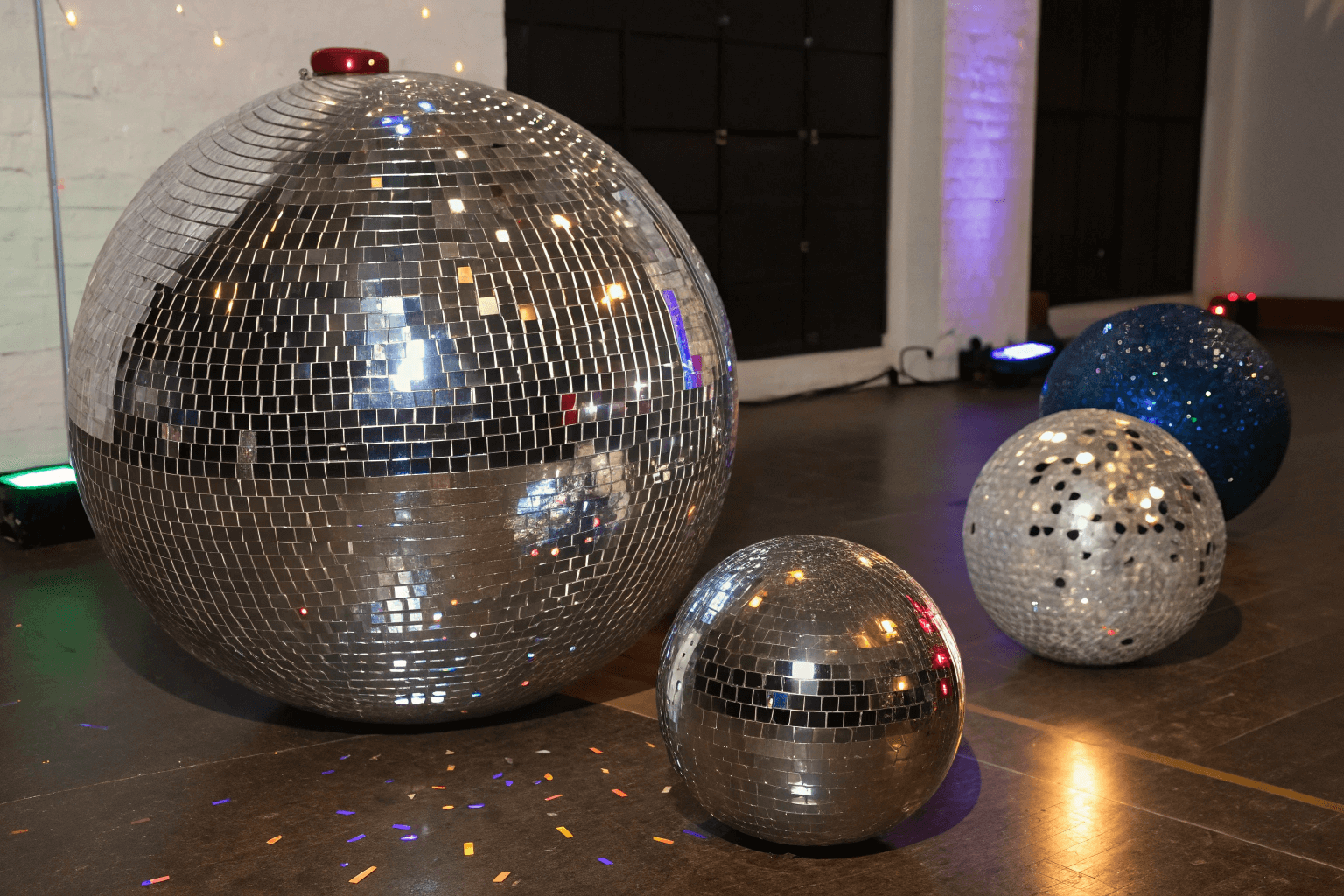
Static clustering, often called the “Cloud” look, is a design strategy that groups related objects closely to form cohesive, dynamic vignettes. It creates a lived-in, curated aesthetic by applying principles of visual organization, moving beyond rigid layouts to foster rhythm and personality in a space.

What is Static Clustering?
Static clustering, or the ‘Cloud’ installation look, groups related objects closely together to form cohesive vignettes. This method uses Gestalt principles like proximity and similarity to create visual rhythm and intuitive spaces. The approach contrasts with rigid layouts like grids, offering a more dynamic and lived-in aesthetic that feels intentionally curated rather than formally arranged.
How to Apply the Cloud Look in Your Space
Begin with functional zoning by grouping furniture, like seating clusters, to optimize flow in open-plan areas. This creates natural social hubs and improves wayfinding. For decor, style using the ‘rule of three’—combine items like books, candles, and sculptures on trays to build intentional vignettes with varied height and texture.
Focus your efforts on display surfaces like sideboards, coffee tables, and mantels. Avoid applying this technique to work areas like kitchen counters to maintain their utility and prevent visual clutter. The goal is to create pockets of personality where they can be appreciated without interfering with daily function.
Why This Trend Works for Luxury Interiors
The Cloud look adds personality and a sense of curated storytelling, which enhances the perceived coziness and warmth in high-end homes. It allows homeowners to showcase meaningful collections and art objects in a way that feels personal and layered, rather than sterile or overly designed.
Its flexible, irregular rhythm allows for growth and adaptation, making spaces feel dynamic and evolving rather than static. This method effectively balances maximalist decor with organization, preventing clutter while allowing for the display of a rich collection of objects. It supports a timeless aesthetic that can be easily edited and refreshed over time.
Reflecting Neon: Maximizing Nighttime Impact
Strategies for using neon lighting focus on reflection, placement, and control to enhance visual appeal and functionality at night while minimizing glare and light pollution.

Strategic Placement and Material Selection
Position neon units away from windows and architectural openings to prevent light pollution and direct the glow horizontally for maximum internal impact.
Use light-colored, glossy, or high-reflectivity interior surfaces to amplify the neon’s glow through multiple reflections, increasing perceived brightness and drama.
Avoid darker materials that absorb light and mute the effect, as they reduce the desired spillover and visual impact.
Intensity Control and Layered Lighting
Employ lower lux levels and angled illumination to create dramatic nighttime ambiance without causing glare or overwhelming the space.
Integrate smart dimmers tied to circadian schedules to reduce artificial light use, especially during evening hours, to support healthy sleep rhythms.
Layer neon accents with dimmable, warm-temperature LEDs to boost visual interest while managing melanopic irradiance, which affects alertness and sleep.
Practical Applications for Designers and Builders
Install neon strips in coves or behind mirrors to create reflected ‘infinity’ effects, ensuring a Color Rendering Index (CRI) above 90 for accurate color representation at night.
For custom projects, consider integrating neon with architectural-grade mirrored elements, such as feature walls or sculptures, to enhance the reflective quality and luxury feel.
Adopt a clustered installation approach with fewer units to create focused beams of light, minimizing external light spill while maximizing the visual statement within the space.
Maintenance of “Art-Grade” Mirror Surfaces
Proper maintenance of art-grade mirrors involves using gentle, non-abrasive cleaning methods and avoiding common environmental hazards to preserve the delicate reflective silvering and ensure longevity.

Essential Cleaning and Preservation Methods
Use a soft, lint-free microfiber cloth to avoid scratches on the delicate surface. This is the safest tool for removing dust and light debris without leaving marks.
Clean with a solution of distilled water and a few drops of mild, non-abrasive dish soap; avoid ammonia-based or acidic cleaners. Distilled water prevents mineral spots, and a pH-neutral detergent helps emulsify oils without damaging the silvering.
Spray the cleaning solution onto the cloth, not directly onto the mirror, to prevent liquid from seeping behind the silvering. This technique controls moisture and protects the edges and backing from corrosion.
Gently wipe in a circular motion and immediately dry the surface with a second clean, dry cloth to prevent water spots. Prompt drying is crucial for a streak-free finish.
Common Mistakes and Long-Term Care
Never use paper towels, abrasive sponges, or harsh chemicals, as they can permanently damage the reflective coating. These materials create micro-scratches and can chemically degrade the silvering.
Avoid placing art-grade mirrors in areas with constant high humidity or direct, intense sunlight to prevent silvering degradation. Environmental stress accelerates corrosion and can cause the reflective layer to peel or develop black spots.
For installations like mirrored walls or sculptures, implement a regular, gentle dusting schedule to prevent abrasive buildup. Frequent light cleaning is more effective and safer than infrequent, aggressive cleaning sessions.
Address any signs of edge corrosion or ‘black spots’ (silvering loss) promptly by consulting a conservation specialist; do not attempt aggressive DIY repairs. Professional intervention can often stabilize damage and prevent it from spreading across the mirror’s surface.
Frequently Asked Questions
How to style disco balls in modern homes?
Use disco balls as sculptural statement pieces paired with refined materials, balanced lighting, and solid colors rather than patterns to elevate them beyond party décor. Key principles include matching the ball’s size to your space, positioning it where bright natural light can activate its reflections, and combining it with upscale materials like marble, matte black, or natural woods. Pair it with serious design elements like glass candlesticks or minimalist artwork to create a balanced, sophisticated look.
What is the best place for a disco ball in a room?
The ideal placement depends on the desired effect. Near sunlit windows, they harness natural light to create a glimmering effect. Room corners, especially during golden hour, can make the entire space sparkle. Suspended from the ceiling, they become a dynamic focal point in rooms with high ceilings. On accent furniture or tables, they add a playful, conversational element. In kitchens or breakfast areas, they introduce retro drama and enhance the mood.
What are the modern disco ball decor trends?
Disco ball decor is a dominant trend, moving from temporary party decoration to permanent interior design. Popular approaches include floating cloud installations with balls of varying sizes suspended at different heights, using large balls as table centerpieces with mini balls scattered among decor, and creating interactive photo corners. Designers emphasize going bold and intentional, balancing the playful element with solid colors, minimal patterns, and serious furniture pieces to avoid a gaudy appearance.
How to hang disco balls as art?
To hang disco balls as art, suspend them from ceilings using clear fishing line or adjustable wire attached to heavy-duty ceiling hooks or joists. For a cluster effect, use balls of varied sizes (e.g., 2, 4, 6, 12 inches) at different lengths. Plan the layout over a focal area like a table or near a window. Ensure secure installation by calculating the combined weight and using joist-rated hooks. This method creates a professional, reusable installation suitable for styled spaces.
How do you combine disco balls with other decor?
Combine disco balls with complementary, upscale elements to avoid a tacky look. Pair them with materials like marble, matte black, or natural woods. Accessorize with glass candlesticks, minimalist artwork, fairy lights, or plants. The key is balance—using the disco ball as a playful accent within a refined, cohesive design scheme. Ensure scale and proportion are appropriate for the space to prevent visual clutter.
How do you clean disco balls for residential use?
Clean disco balls gently to preserve the mirror tiles. Dust every 1-3 months with a soft, dry microfiber cloth or compressed air. For spot cleaning, use a cloth dampened with a mild dish soap and lukewarm water solution (1 tsp soap per cup of water), then dry immediately with a clean microfiber cloth to prevent water spots. Avoid harsh chemicals, soaking, or abrasive materials. Using demineralized water for rinsing can help avoid salt residues and spots.
Final Thoughts
Mirror balls have evolved from party accessories to versatile design elements. They bring light, movement, and a touch of retro glamour to modern spaces. Whether used as a sculptural centerpiece, a natural light amplifier, or part of a larger trend like Disco Deco, their success lies in intentional placement and thoughtful pairing with refined materials and solid colors.
The key to integrating them well is balance. Their playful shimmer works best when contrasted with minimalist textures, serious furniture, and strategic lighting. This approach ensures they feel curated and sophisticated, not gimmicky. For designers and homeowners, mirror balls offer a dynamic way to add personality, improve a room’s light quality, and create memorable focal points that blend nostalgia with contemporary style.