

When specifying a disco ball for a commercial venue, the internal mounting system isn’t a detail—it’s the primary safety feature. Surface-mounted hooks and internal cage designs can’t match the structural integrity of a continuous steel rod that transfers the load directly to the building’s frame, a critical distinction for installations in high-traffic public spaces.

This article breaks down the engineering behind the through-rod standard. We’ll examine why this method is non-negotiable for professional use, from its ability to handle dynamic loads with a safety factor of up to 5:1 to how it prevents the material fatigue and fastener pull-out common in surface-mounted alternatives. You’ll learn the key visual identifiers for a true through-rod ball and understand the specific ASTM standards, like F541 for eye-bolts, that govern its components.
The Anatomy of a Professional Rigging Point
A professional rigging point is a precisely engineered structural attachment designed to suspend loads. Its anatomy includes a defined load-bearing element, a rated attachment device, and a documented set of specifications covering its Working Load Limit, load direction, dynamic factors, and installation requirements to ensure safety and compliance with standards like ANSI E1.56-2018.

Core Components and Functional Requirements
A professional rigging point is built from defined structural elements. These include pipes, trusses, specific roof points like P12-P37, and overhang beams. Each component has a precise, documented load capacity that cannot be exceeded.
The system integrates specialized anchoring hardware such as ASSY screws and yokes. Their installation follows strict parameters, including minimum end and edge distances from the material and a sling angle of at least 60 degrees to the panel surface to maintain rated capacity.
Every point must have a documented Working Load Limit. This specification details the exact location, the approved direction of the load, and any required environmental protection for the hardware.
Design accounts for dynamic forces. A dynamic load factor, typically between 1.25 and 1.4, is applied to handle the cyclical effects and fatigue from moving or variable loads over time.
Load Capacity Specifications and System Integration
Total system capacity, such as the 11,400 lb maximum for a fully pinned mobile stage, is a sum of distributed loads. Loads are managed across designated areas—A, B, and C—and individual points, not applied to a single location.
Point-specific capacities vary. For example, points P34-P37 may be rated for 750 lb, while P12-P14 capacities are adjusted using a distribution ratio grid. Critical usage exclusions often exist, preventing simultaneous use of certain points or trusses to avoid overloading a shared structural member.
The reference rigging capacity is validated through lab testing with listed hardware, like specific ASSY screws and a minimum 3-ply penetration into the material. This tested value is then reduced by safety factors as per standards to establish the final Working Load Limit.
System integration mandates adherence to all codified restrictions. This includes using mandatory balance or pinning kits, following mutual usage exclusions for points like P25-P29, and ensuring loads are applied only in the documented direction and location.
Why Surface-Mounted Hooks Fail in Public Spaces
Surface-mounted hooks fail in public spaces due to their reliance on the wall’s surface material for support. This design concentrates stress on a small area, leading to material fatigue, fastener pull-out, and eventual failure under dynamic loads, especially in high-traffic or humid environments.

The Core Weakness: Concentrated Stress and Material Fatigue
The fundamental engineering flaw is that the load is concentrated on the wall’s surface material, such as drywall or plaster, rather than being transferred to the building’s structural frame. This localized stress point is a critical weakness.
In high-traffic public spaces, frequent use creates cyclic stress. This repeated loading and unloading leads to material fatigue, which causes fasteners to loosen over time. The eventual result is the fastener pulling out of the wall or the hook itself bending.
Environmental factors accelerate this failure. In humid public spaces like restrooms, moisture promotes corrosion of metal fasteners. It also degrades the adhesive bond or the integrity of the wall material where the hook is mounted, further compromising the connection.
Safety and Compliance Shortfalls in Public Applications
Surface-mounted hooks often fail to meet the stringent demands of commercial settings. Their design can violate accessibility standards by protruding into circulation paths, creating a trip hazard or obstacle for individuals with mobility aids.
While some lightweight or plastic variants are marketed to reduce injury risk from a falling hook, they typically lack the structural strength required for the heavy or frequent use seen in commercial environments. This trade-off between safety from impact and load-bearing capacity is a significant shortfall.
Security is another major concern. Without integrated anti-theft fastenings or a secure mounting system that resists tampering, surface-mounted hooks are vulnerable to theft and vandalism in unmonitored public areas, leading to maintenance costs and unreliable service.
Available specifications highlight the requirements surface-mounted designs struggle to meet. Hooks in public spaces must withstand frequent use without bending, loosening, or corroding. Materials like stainless steel offer necessary strength and corrosion resistance, while proper mounting is essential to prevent protrusion hazards and ensure longevity in demanding environments like public restrooms.
Through-Rod vs. Internal Cage Construction
Through-rod construction uses a continuous steel tube passing through a structure, offering high tensile strength and energy absorption for dynamic loads. Internal cage construction uses a rebar framework embedded within a material like concrete, designed for static embedment and lateral stability. The choice depends on the load type and installation environment.
| Construction Method | Primary Application | Key Engineering Focus |
|---|---|---|
| Through-Rod | Dynamic, high-energy events (e.g., vehicle roll cages) | Impact energy absorption, tensile strength, and formability |
| Internal Cage | Static, permanent installations (e.g., concrete columns, foundations) | Embedment strength, lateral stiffness, and buckling resistance |

Core Principles and Structural Logic
Through-rod design is based on a seamless or DOM steel tube (e.g., SAE 1010, 1020, 1025, or 4130 chromoly) that runs continuously through attachment points, creating an external, unified load path.
This method prioritizes impact energy absorption, with materials offering high elongation (up to 25%) and tensile strength (from 510 N/mm² to 1180 N/mm²) to handle dynamic forces like those in vehicle roll cages.
Internal cage construction involves creating a reinforcement skeleton, such as a rebar cage, inside another material like concrete. Longitudinal bars are spaced to allow material flow, secured by transverse ties or spirals.
This method is engineered for static applications where the primary goal is embedment strength, lateral stiffness, and resisting buckling forces within a column or foundation.
The fundamental choice hinges on load behavior: through-rod for dynamic, high-energy events; internal cage for permanent, vibration-dampening installations in architectural or civil contexts.
Technical Specifications and Comparative Analysis
Through-rod fabrication mandates strict TIG welding for high-strength alloys like 4130 chromoly, with maximum weld gaps equal to the filler rod diameter (e.g., 2.4 mm or 3/32″) and undercut tolerances below 0.25 mm (0.01″).
Key standards include NHRA/SFI rules for roll cages, which require inspection holes (e.g., 4.76 mm or 3/16″) to verify wall thickness and prohibit cracks, ensuring weld integrity and fusion.
Internal cage specs are governed by standards like ACI, which define development length for rebar anchorage and require transverse ties with hooks or a full 360-degree turn lap for structural integrity.
Nonlinear FEA analysis confirms that internal braces within a cage significantly alter column failure modes and enhance lateral stiffness, a critical factor for static stability.
A direct comparison shows through-rod’s advantage in formability and energy management versus the internal cage’s superior performance in distributed load resistance and integration within composite materials like concrete.
Source Commercial-Grade Mirror Balls, Direct from the Factory
Tensile Strength of Steel Eye-Bolts
The tensile strength of a steel eye-bolt is its capacity to resist pulling apart. Governed by standards like ASTM F541, minimum tensile strengths for professional-grade bolts start at 65,000 PSI. Safe working loads are determined by shank diameter and drop sharply if the bolt is loaded at an angle.

The Standards and Materials Behind the Strength
The structural integrity of an eye-bolt is not a matter of guesswork but is defined by rigorous industry standards. ASTM F541 is the primary specification for forged, quenched, and tempered alloy steel eye-bolts. This standard mandates comprehensive mechanical testing, including tensile strength, proof load, and impact resistance, to ensure the bolt can handle both static loads and sudden shocks without failing.
The material itself is the foundation of this strength. Common choices include heat-treated 1030 carbon steel and high-strength low alloy (HSLA) steels like ASTM A588 Grade A, often marketed as Corten™. These materials are specified to have minimum tensile strengths starting at 65,000 pounds per square inch (PSI). This figure represents the maximum stress the material can withstand while being stretched before it fractures.
Perhaps even more critical for safety is the yield strength, which is the stress point where the material begins to deform permanently. For structural eye-bolts, minimum yield strengths are typically in the range of 30,000 to 45,000 PSI. Operating a bolt beyond its yield point compromises its integrity, even if it hasn’t broken, making this a key limit for safe design.
From Lab Rating to Real-World Load Limit
The material’s tensile strength is translated into a practical, on-site safety metric called the Working Load Limit (WLL). This rated capacity scales directly with the shank diameter. For a straight, vertical (in-line) pull, a 1/4-inch bolt may have a WLL of 600 lbs, while a 3/4-inch bolt can safely handle 5,200 lbs. These ratings assume ideal installation and loading conditions.
The most critical real-world factor is angular loading. Pulling on an eye-bolt at any angle other than straight in-line induces dangerous side-load stresses. This derates the bolt’s capacity dramatically; a pull at a 45-degree angle can reduce the safe working load by as much as 70% compared to its in-line rating. Always refer to the manufacturer’s derating charts for angled lifts.
Substantial safety margins are built into these ratings through proof load and ultimate load testing. Standards like ASME B30.26 require a proof test at twice the Working Load Limit (2x WLL) to verify no permanent deformation occurs. The ultimate load—the point of actual failure—is typically required to be at least five times the WLL (5x WLL), providing a significant buffer against overload and unforeseen circumstances.
Stress Distribution across the FRP Shell
Stress in an FRP shell is not uniform; it concentrates in the shell rather than the concrete core, with shear stresses observed in a 0-80 MPa range. Design standards enforce a maximum working stress of 40% of the material’s virgin burst pressure to ensure long-term safety and account for environmental factors.

How Stress Behaves in the FRP Shell
Shear stress is not evenly spread across the cross-section; it concentrates within the FRP shell itself. In large-scale tests, shear stress in the FRP shell has been measured in the range of 0 to 80 MPa.
While a concrete core may be present, its shear stresses are much smaller than those in the FRP shell. However, the concrete core still carries a significant portion of the total vertical shear force.
Analytical models use transformed stress methods and Tsai-Wu biaxial failure theory to predict these complex, interacting in-plane stresses, which vary by depth position within the shell.
Material Limits and Safety Standards
For a typical engineered FRP product, tensile strength is around 110 MPa (15,950 psi), with compressive strength near 228 MPa (33,100 psi). The modulus of elasticity for such materials is approximately 7.45 GPa (1,080,000 psi).
A key design rule for filament-wound cylinders limits the maximum filament stress under service pressure to 40% of the virgin burst pressure. This creates a substantial built-in safety margin, as the burst pressure itself must be a minimum of 2.5 times the intended service pressure.
These conservative stress limitations—typically 40-60% of the ultimate material capacity—are standard for architectural and structural FRP to ensure safety margins and account for potential environmental degradation over time.
Vetting Suppliers for Internal Hardware Specs
Vetting suppliers requires verifying ASTM certification for the correct steel grade, confirming threading standards and quality, and ensuring proper material marking. The choice between grades like A193 B7 for high-temperature use or A320 L7 for low-temperature applications is dictated by the ball’s intended environment.
| ASTM Grade | Key Application & Properties | Threading & Notes |
|---|---|---|
| A193 Grade B7 | Medium-carbon alloy steel for high-temperature/pressure flanges, valves, and vessels. | 8 threads per inch (tpi) for diameters >1″. |
| A320 Grade L7 | Medium-carbon alloy steel for low-temperature applications; requires Charpy impact testing. | 8 tpi for diameters >1″. |
| A307 Grade B | Low-carbon mild steel for cast iron flanged joints; tensile strength 58–80 ksi. | Finishes include plain black, zinc, and hot-dip galvanized. |
| A354 Grade BD | Quenched/tempered alloy steel; highest strength grade listed. | Subject to hydrogen embrittlement when plated or galvanized. |

Mandatory Material and Certification Checks
Confirm the ASTM grade designation matches the application: A193 Grade B7 for high-temperature/pressure, A320 Grade L7 for low-temperature environments requiring impact testing.
Demand permanent grade symbol and manufacturer’s identifier stamps on each rod, as mandated by ASTM standards for traceability.
Verify the material composition and heat treatment status through mill certification reports, not just supplier claims.
For diameters over 1 inch, confirm threading is 8 threads per inch (tpi) unless a specific UNC thread is requested.
Evaluating Thread Quality and Supplier Reliability
Assess thread quality by requesting the thread angle specification; a 57–60° angle indicates high-quality manufacturing, while 40–45° suggests lower quality.
Require confirmation that threads pass a go/no-go gauge test to ensure proper fit with nuts and mounting hardware.
Verify the finish specification (e.g., hot-dip galvanized, plain black) aligns with the ball’s environmental exposure to prevent corrosion.
Evaluate the supplier’s capability to provide consistent quality across batches and their responsiveness to technical inquiries about standards.
Visual Inspection: How to Identify a Through-Rod Ball
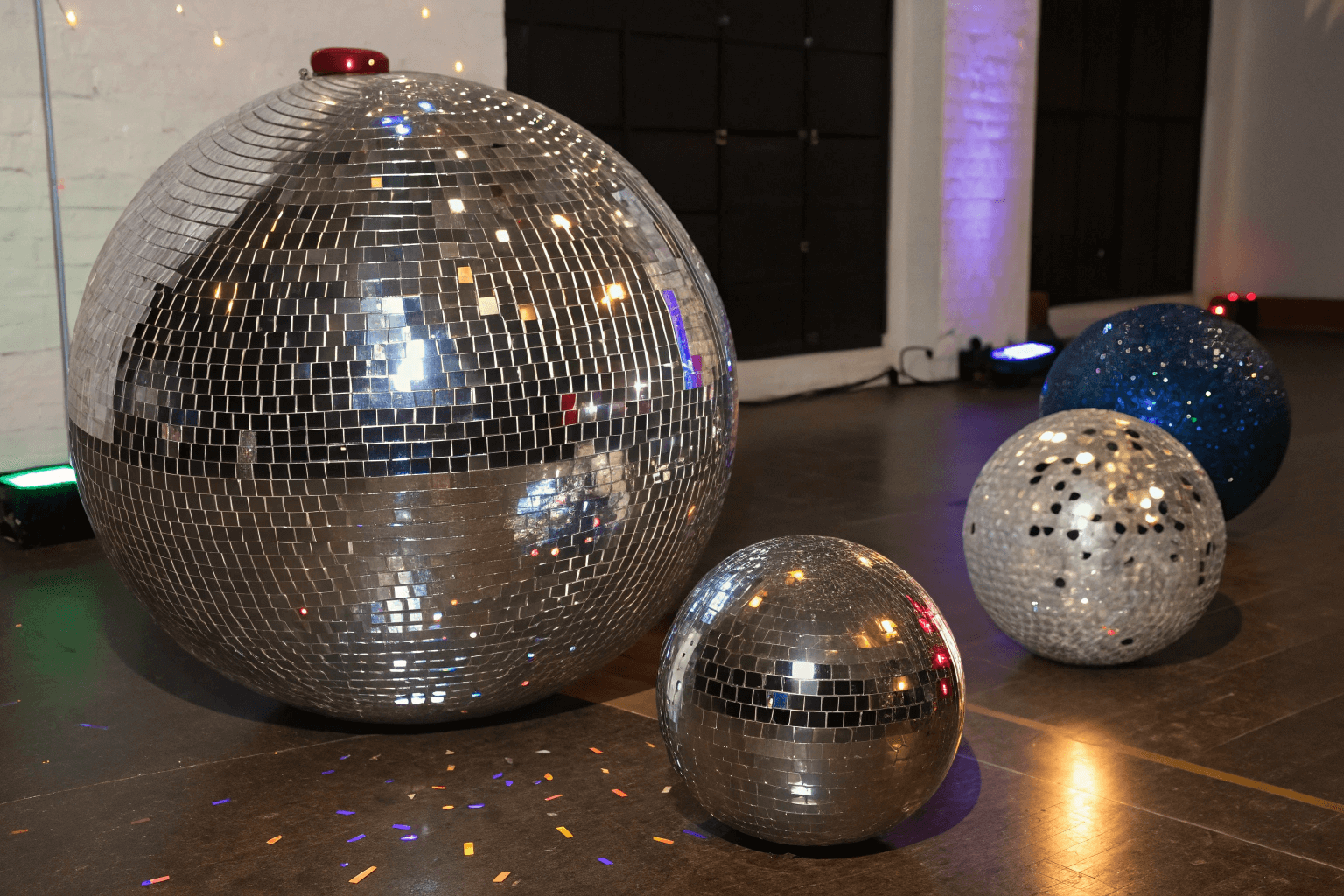
A through-rod ball is identified by a visible, continuous steel rod passing through its core, connecting the top and bottom mounting points. Key visual cues include a prominent, reinforced central eye-bolt at the top and a corresponding, load-bearing anchor point at the bottom, which are integral to the rod. This differs from surface-mounted hooks or internal cage systems, which lack this singular, load-bearing spine.

Key External Features of Through-Rod Construction
To detail the specific, observable characteristics that define a through-rod ball’s anatomy from the outside.
Look for a central, heavy-duty eye-bolt at the top that appears to be part of a larger assembly, not just a surface screw.
Inspect the bottom of the ball for a symmetrical, load-rated anchor point or plate that mirrors the top fixture, indicating the rod’s exit point.
Examine the ball’s shell for symmetry and a lack of secondary, non-structural surface hooks, which are common on decorative or lower-duty units.
Assess the overall build quality; through-rod balls from partners like BDB typically exhibit precision in panel alignment and hardware finish, reflecting rigorous manufacturing control.
Contrasting Through-Rod with Common Alternatives
To clarify how visual inspection rules out inferior mounting methods, ensuring the selected fixture meets professional safety and durability standards.
Differentiate from surface hooks: These are attached only to the shell’s surface, often with visible screws or adhesive, and lack a central structural spine, making them prone to failure under dynamic loads.
Differentiate from internal cages: While also internal, a cage is a separate skeletal frame inside the shell; a true through-rod is a singular rod, and its top/bottom connection points are typically more robust and integral.
For event professionals, verifying through-rod construction is critical for ‘tour-grade’ reliability, as it ensures the ball can handle the stress of repeated transport and motorized movement, a standard BDB meets for its commercial-grade collection.
Final Thoughts
The evidence from structural engineering is clear: for any permanent or high-traffic installation, internal steel support is not an optional upgrade—it’s a fundamental safety requirement. Surface-mounted hooks and decorative attachments rely on the integrity of a wall’s finish, creating a predictable point of failure under dynamic loads. In contrast, a through-rod design transfers the load directly to the building’s structure, providing a reliable, long-term mounting solution. This principle applies whether you’re hanging a 400-pound mirror ball in a nightclub or securing signage in a public atrium.
Specifying the right hardware is just as critical as the mounting method itself. The tensile strength of an eye-bolt, the certification of the steel grade, and the quality of the threading all determine whether a fixture will perform as intended for years or fail prematurely. For architects, facility managers, and event professionals, this means moving beyond aesthetic choices to forensic vetting of construction and material specs. The goal isn’t just to hang an object, but to create a system where the hardware disappears into reliable, silent service, allowing the installation to shine without risk.
Frequently Asked Questions
What is a through-rod disco ball?
A through-rod disco ball is a heavy-duty mirror ball designed for professional installations. It features a solid metal rod that passes completely through the ball’s core, providing superior structural reinforcement. This allows the ball to be suspended from a single, integrated safety eye-bolt, making it the standard for large, heavy models like 60-inch versions that can weigh 400 lbs. This design is distinct from standard balls that use top-mounted rings or clamps.
Can a mirror ball hook pull out?
No, a properly specified and installed mirror ball hook will not pull out. Professional hooks and motors are rated for specific weight capacities and are designed to be mounted on standard truss or speaker stands according to manufacturer guidelines. For example, heavy-duty hooks and motors can support over 10 lbs for a standard 20-inch ball when used with secure threaded mounts like 1/4″ or 1/2″ connections.
How is the hanging ring attached to a disco ball?
The hanging ring is a pre-installed security ring integrated directly into the ball’s internal structure. It is designed for a direct and secure connection to hanging chains, cables, motors, or mounting pins. For fixed installations, the ring can be opened to loop around a pin and then closed. This integrated design, often found on balls with a foam core and mirrored tiles, provides a reliable attachment point that is part of the ball’s construction.
What is the best disco ball for high-traffic public areas?
For high-traffic public areas like hotels, museums, or retail spaces, the recommended choice is a 12-16 inch disco ball paired with a secure motorized rotation system. Key considerations include a minimum ceiling height of 8-10 feet and the use of professional mounting hardware—never relying on surface-mounted hooks alone. While product data emphasizes motor reliability and material choice (glass for effect, plastic for safety), architects and specifiers should consult local building codes and venue safety regulations for official compliance standards beyond product specifications.
What is the weight limit of a standard disco ball hook?
There is no universal ‘standard’ weight limit, as capacity depends entirely on the specific hook, motor, and ball size. Common professional hooks and motors for balls between 8 and 20 inches typically handle 5 to 25 lbs. For larger, heavier installations, professional hoist systems are required, with ratings that can extend to 60 lbs or even 330 lbs for the most substantial custom rigs.
What is the difference between internal and external rigging points?
Internal rigging points are embedded within a structure or product, such as a shouldered eye-bolt threaded into a through-rod. External rigging points are surface-mounted attachments, like a plate or swivel hoist ring bolted onto a frame. Industry standards, including E1.56-2018, mandate that permanent points be designed by a qualified professional, proof-tested to 125% of their working load, and built with a safety factor of 4:1 to 5:1. Swivel hoist rings, for example, are load-tested to a 2:1 safety factor as part of their certification.